
 Tiếng Việt
 中文 (中国)
Container Cargo Transportation
Flexible connection between warehouses, ICDs, and ports according to export-import plans, empty container pickup schedules, and actual delivery arrangements.

Domestic Trucking
Domestic trucking solutions for container cargo, machinery, project cargo, and shipments requiring close coordination among warehouses, seaports, airports, and factories. Focused on flexibility in dispatching, close schedule control, and practical execution capability for each shipment.

Core Capability
Execution capability is organized with flexibility, closely aligned with cargo characteristics, on-site conditions, and the practical coordination requirements among delivery points.
Proactive planning based on cargo pickup schedules, delivery timing, on-site conditions, and the required timeline of each shipment.
Suitable for container cargo, loose cargo, machinery, oversized cargo, and shipments requiring loading and unloading coordination.
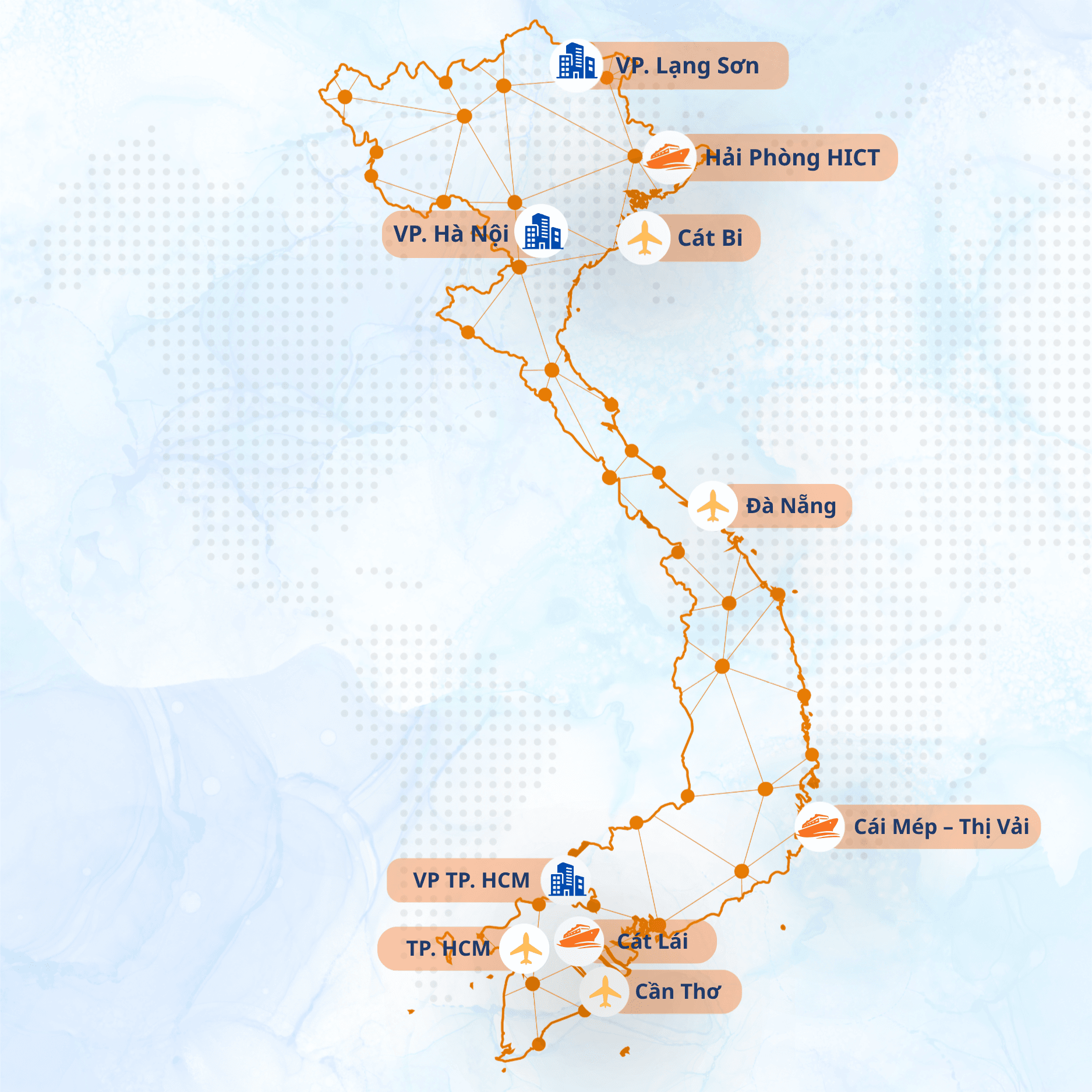
Flexible connection among customer warehouses, ICDs, seaports, airports, factories, and transshipment delivery points.
Synchronizing operations, drivers, warehouses, and documentation teams to improve schedule control.
Scope of Execution
The service scope is structured around practical transportation scenarios, from container cargo and loose cargo to machinery, project cargo, and warehouse – port – airport connectivity routes.
Flexible connection between warehouses, ICDs, and ports according to export-import plans, empty container pickup schedules, and actual delivery arrangements.

Suitable for shipments that need consolidation, split delivery across multiple points, or phased execution according to schedule.
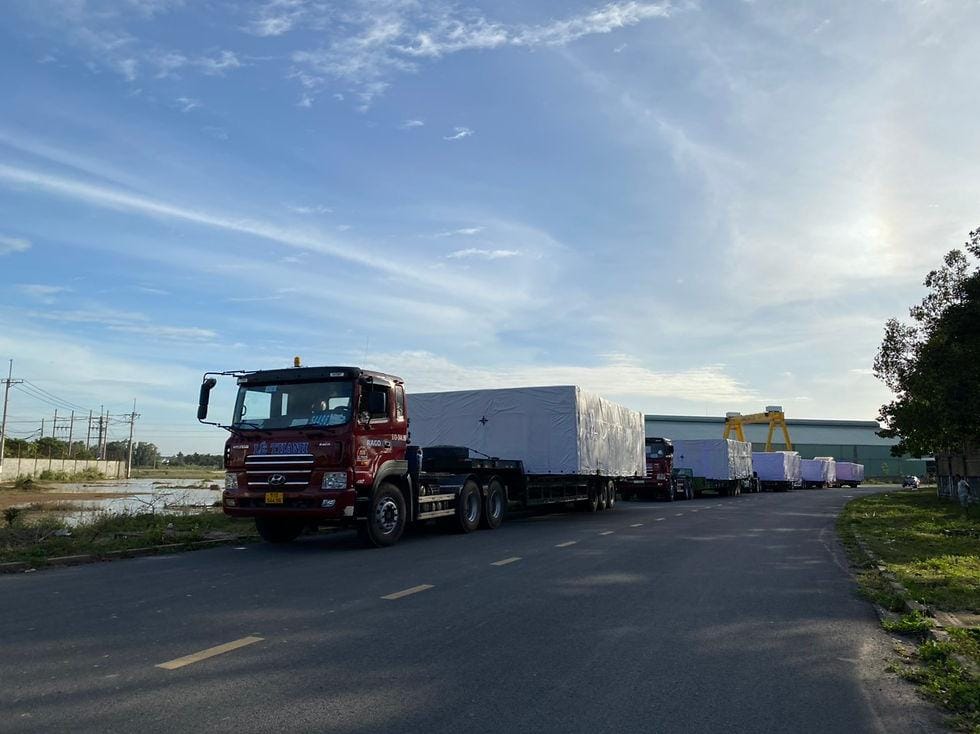
Reviewing suitable vehicles based on empty container pickup schedules, port drop-off timing, stuffing plans, and handling requirements at related transshipment points.

Coordinating transport between airports and warehouses or factories for shipments requiring quick handling according to flight schedules.

Assessing routes, on-site conditions, loading and unloading points, and execution plans before transportation.

Tracking execution progress by each stage to minimize issues caused by mismatched pickup and delivery timing.
Execution Process
The process is organized step by step, clearly following the pickup point, route, vehicle dispatching, and practical delivery coordination.
Receive pickup point, delivery point, cargo type, weight, required schedule, and actual loading-unloading conditions.
Assess suitable vehicle type, route connection, travel time, on-site conditions, and relevant transshipment points.
Set vehicle schedules, handling contacts, site coordination methods, and implementation plans for each leg.
Update pickup progress, delivery progress, arising issues, and coordinate handling at each delivery point.
Confirm delivery, reconcile execution information, and complete the relevant documents after the shipment is finished.
Implementation Value
The value of the solution lies not only in arranging vehicles, but in the ability to review risks in advance, organize suitable dispatching, and maintain stable operations throughout the delivery process.
No fixed method is applied to every route. Each shipment is reviewed based on cargo characteristics, pickup point, and required timeline.
More effective in situations that require close linkage between domestic transportation and pickup, delivery, and transshipment schedules.
Operations contacts, drivers, and site execution are connected more clearly, helping reduce issues during practical implementation.
More convenient for machinery shipments, project cargo, oversized cargo, or cargo that requires multi-party loading and unloading coordination.